
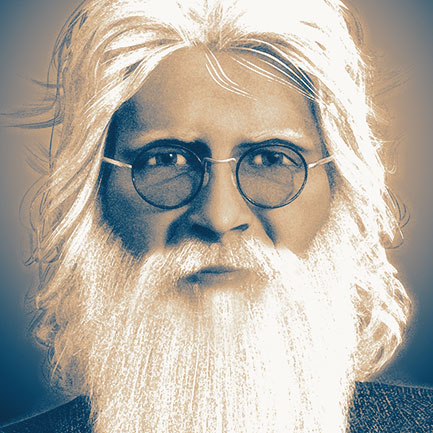
RUPERT SMITHSON is from the distant future of the same planet where The Stars Hereafter Chronicles begin circa 52,000 BCE. He describes himself as an author in the fabulist genre. However, he paraphrases Pablo Picasso when he says that, like all art, fiction is “the lie that tells the truth.”
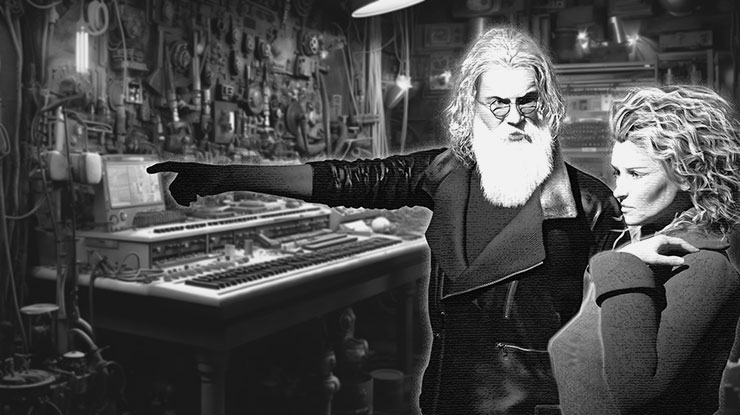
He credits his most fortunate meeting with the chronicles’ protagonist Sir Rowan Berry Longbow, whose life story they comprise, to the accidental and indirect aid of an ingenious device invented by his physicist friend Fiona Power (which she calls the Oculi in Tempore in Latin, or the Eyes in Time).
With respect to the Oculi, Smithson says: “I am truly grateful that Fiona’s device, hitherto restricted to a kind of temporal telescope with which she viewed the past, by resonance with Prince Masudah’s somewhat similar invention in Sir Rowan’s time, somehow transported me bodily from the dystopia in which I’d grown up back through the millennia to a time and place where Mother Nature had not yet been laid waste. Yet paradisiacal it was not. Even then archetypal Evil oppressed the world, indeed threatened to sunder planet Eorthe and send its moon Lunah into the sun. However, magic in the antique past had not yet been separated from science, which further enhanced the ability to travel time, not only solo, but in the company of Sir Rowan and others. Although these travels tested our mettle to maximum, to participate in the potential manifestation of the Good, the Beautiful and the True remains our mission.”
In order to avoid what he calls the Thought Police, the censors of his native time, he departed from his usual beast-fable genre a little, an example of which is George Orwell’s novel Animal Farm, and wrote Sir Rowan’s tale as a science-fiction fantasy series. Smithson explains that, in his own late twenty-first century, the highly curated education system is such that few censors can actually read with comprehension in the first place, and that he had forged a document for a speech censor, a bribe to pass the affiliated Literati inspection. Literature censors, according to the author, are without exception dismissive of fabulism as unworthy of intelligent investigation, but so far consider it valuable nonetheless as distraction that pacifies the furry fandom.
Smithson insists that it’s the story that’s important, not the storyteller. Nevertheless, he concedes to a few details, especially to credit influences.
Before learning to read, at around age four young Rupert spent much time pretending to read. In the early years following, several writers became important influences: Kenneth Grahame (The Wind in the Willows); Jacob and Wilhelm Grimm (Grimm’s Fairy Tales); Lewis Carroll (Alice’s Adventures in Wonderland; Through the Looking Glass); Ernest Thompson Seton (Wild Animals I Have Known); Andre Norton (The Beast Master); Edgar Rice Burroughs (Tarzan series; John Carter of Mars series; Pellucidar series); H.G. Wells (The Time Machine; The War of the Worlds); and of course J.R.R. Tolkien (The Lord of the Rings trilogy).
The works of John Wyndham (The Chrysalids; The Kraken Wakes; The Day of the Triffids) had also been life-changing experiences in the way books can be to children. And thanks to a friend whose grandmother was a librarian, a vast quantity of science fiction had been secretly illumined by mini lantern late into the night, beginning with the works of authors Ray Bradbury (The Martian Chronicles) and Isaac Asimov (Foundation series). The dear lady had given the two boys many dozens of classic and contemporary titles that would have otherwise been recycled. Sleep was lost, but minds were expanded.
Gratitude is great, Smithson adds, for not suffering from writer’s block, and moreover for having overcome reader’s block, a mental affliction peculiar to people as they grow older. Imagination is at its peak in youth but may be recovered if atrophied, an important step to true individuation. Always inspirational, the great visual artist and poet William Blake had this to say on the topic of imagination, “the body of God” as he called it:
“Imagination is not a state: it is the human existence itself.”
“Imagination is the real and eternal world of which this vegetable universe is but a faint shadow.”
“In the universe there are things that are known and things that are unknown, and in between there are doors.”
May these chronicles open as doors of perception for those readers who value freedom.
Rupert loves to hear from readers, so feel free to click on the envelope icon to email him. Cheers!
Buy the nine-book series at Amazon now!
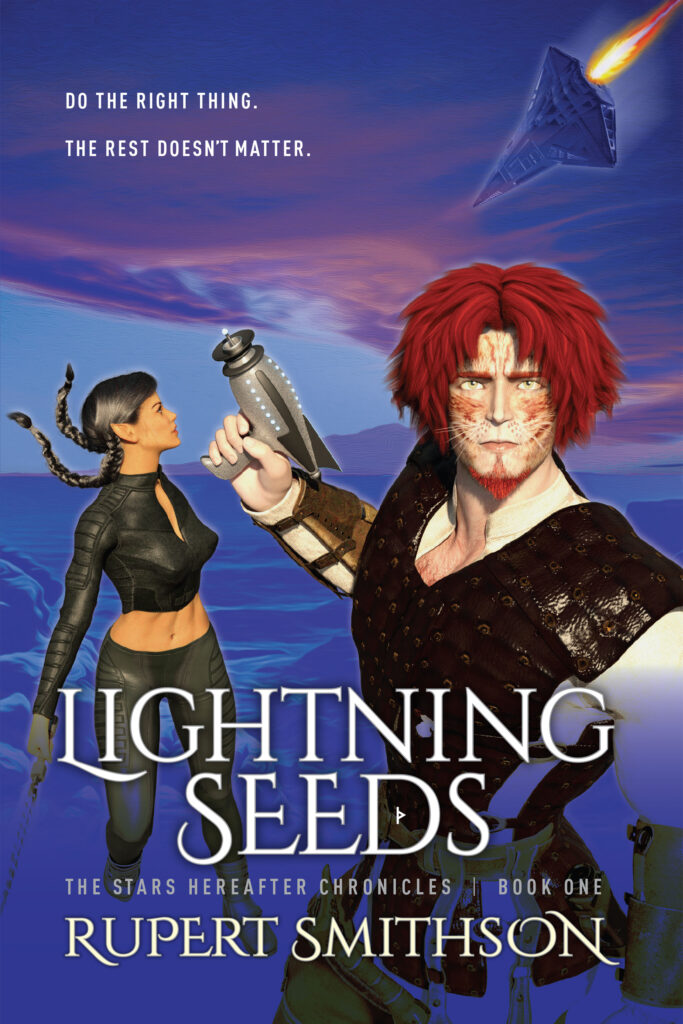
Book 1, more information…
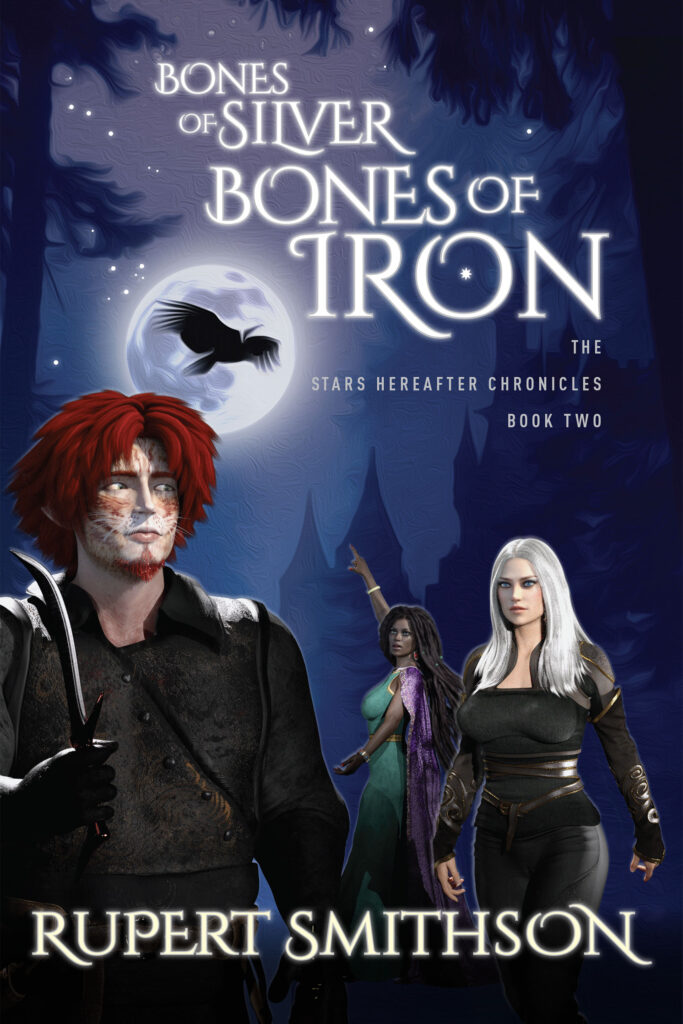
Book 2, more information…
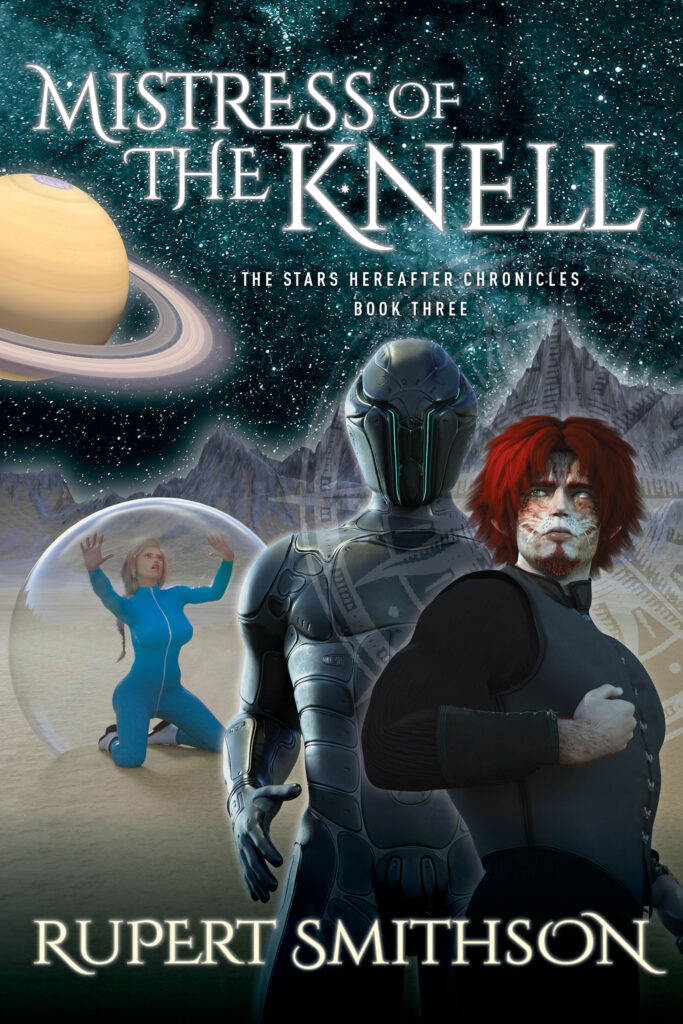
Book 3, more information…
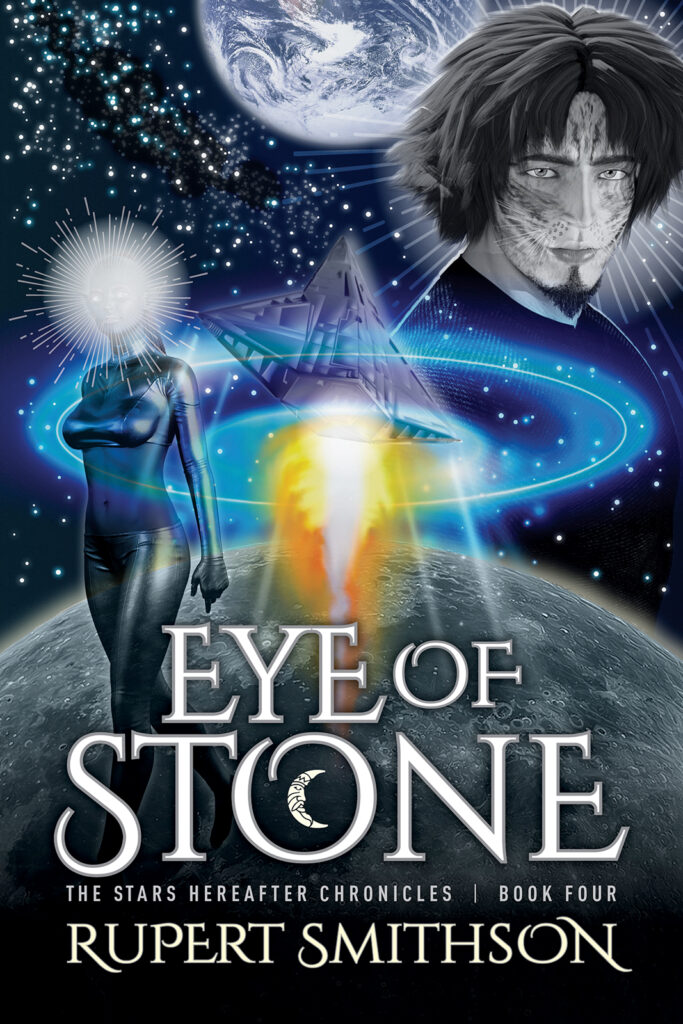
Book 4, more information…
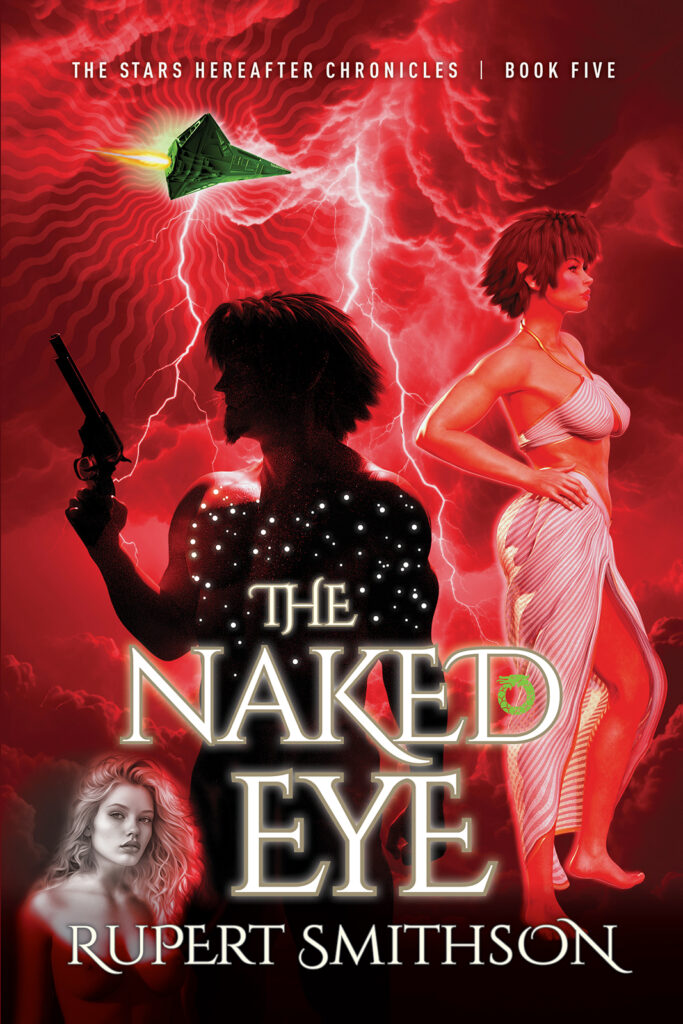
Book 5, more information…
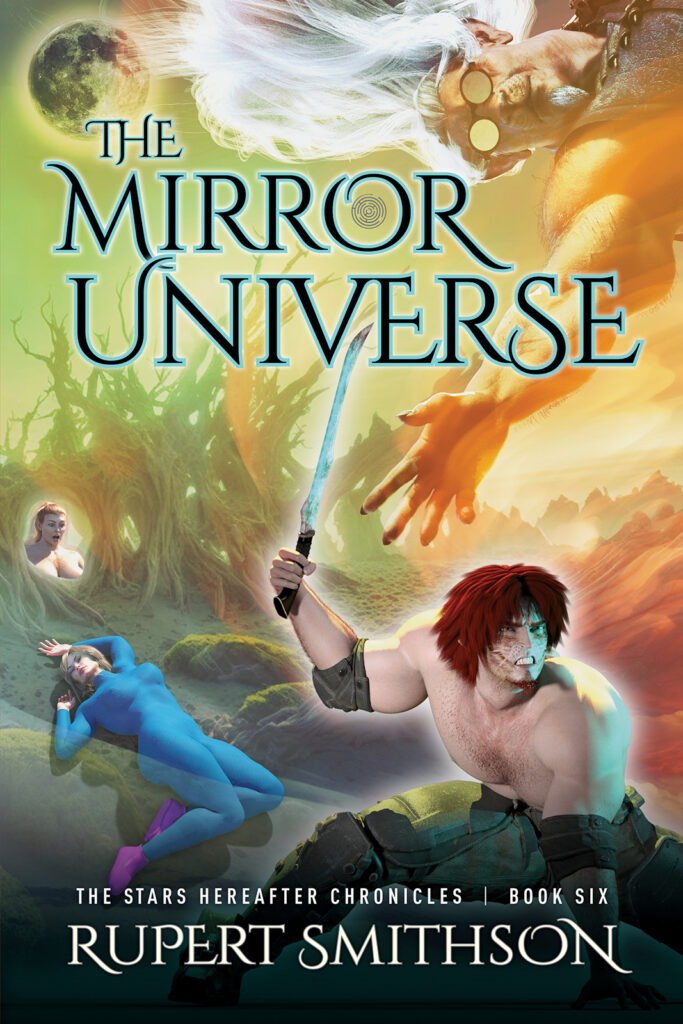
Book 6, more information…
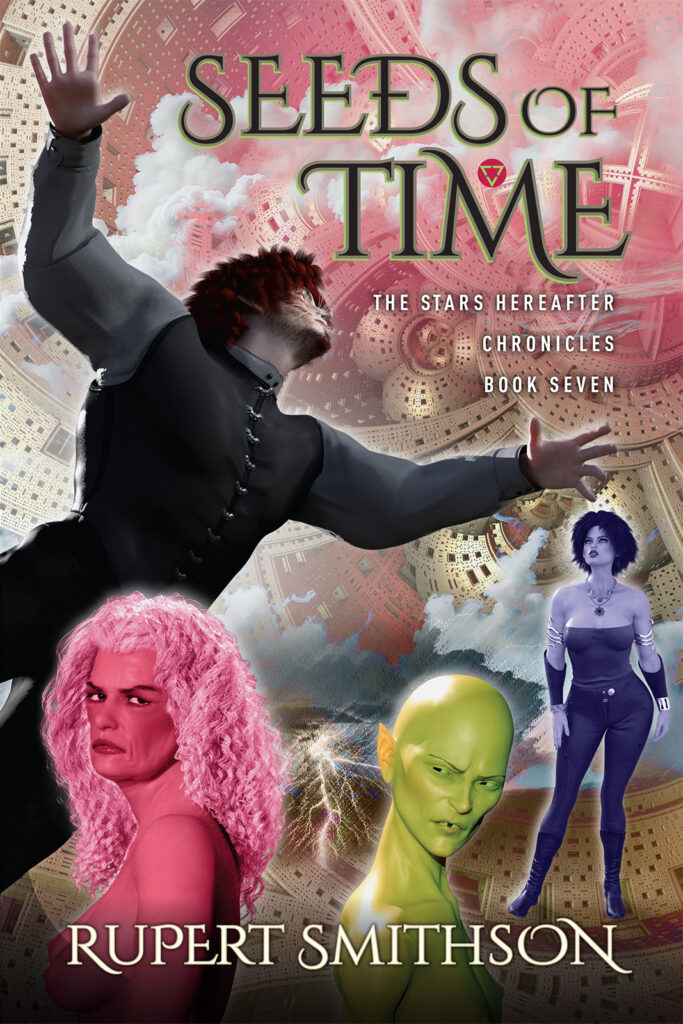
Book 7, more information…
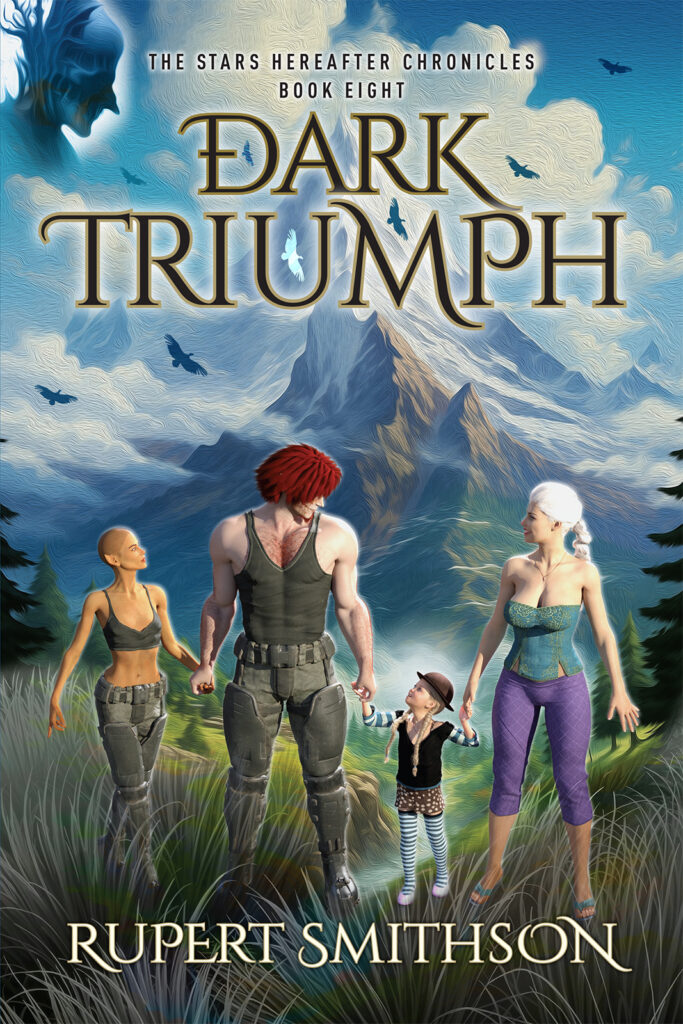
Book 8, more information…
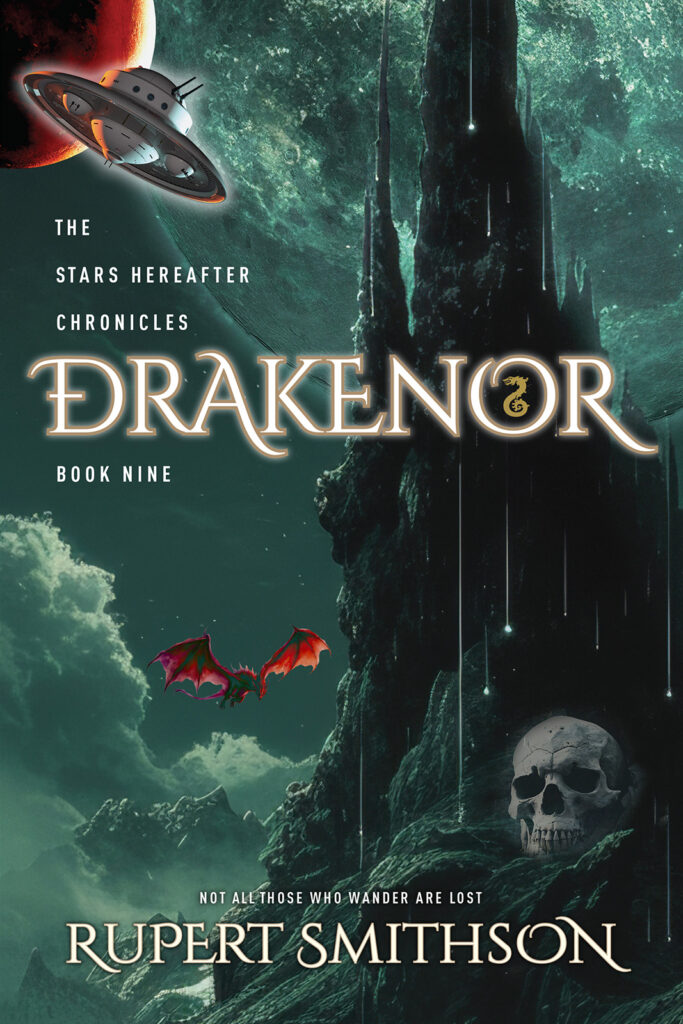
Book 9, more information…
Please subscribe to Rupert’s newsletter. Thanks!
